
Coverage for Site Assessment Services
Structured around how site conditions are evaluated and documented and how risk presents across that work.
Site assessment firms evaluate environmental and physical conditions of a property to support transactions, development, or compliance. This may include Phase I and Phase II assessments, inspections, and historical reviews.
Exposure is shaped by what is identified, what is not observed, and how findings are documented. Assessments are relied upon by buyers, lenders, developers, and regulators.
Conditions may vary across a site and over time. We review how your services are structured before making any recommendation.
Where Exposure Tends to Arise
How Risk Typically Presents in Site Assessment Work
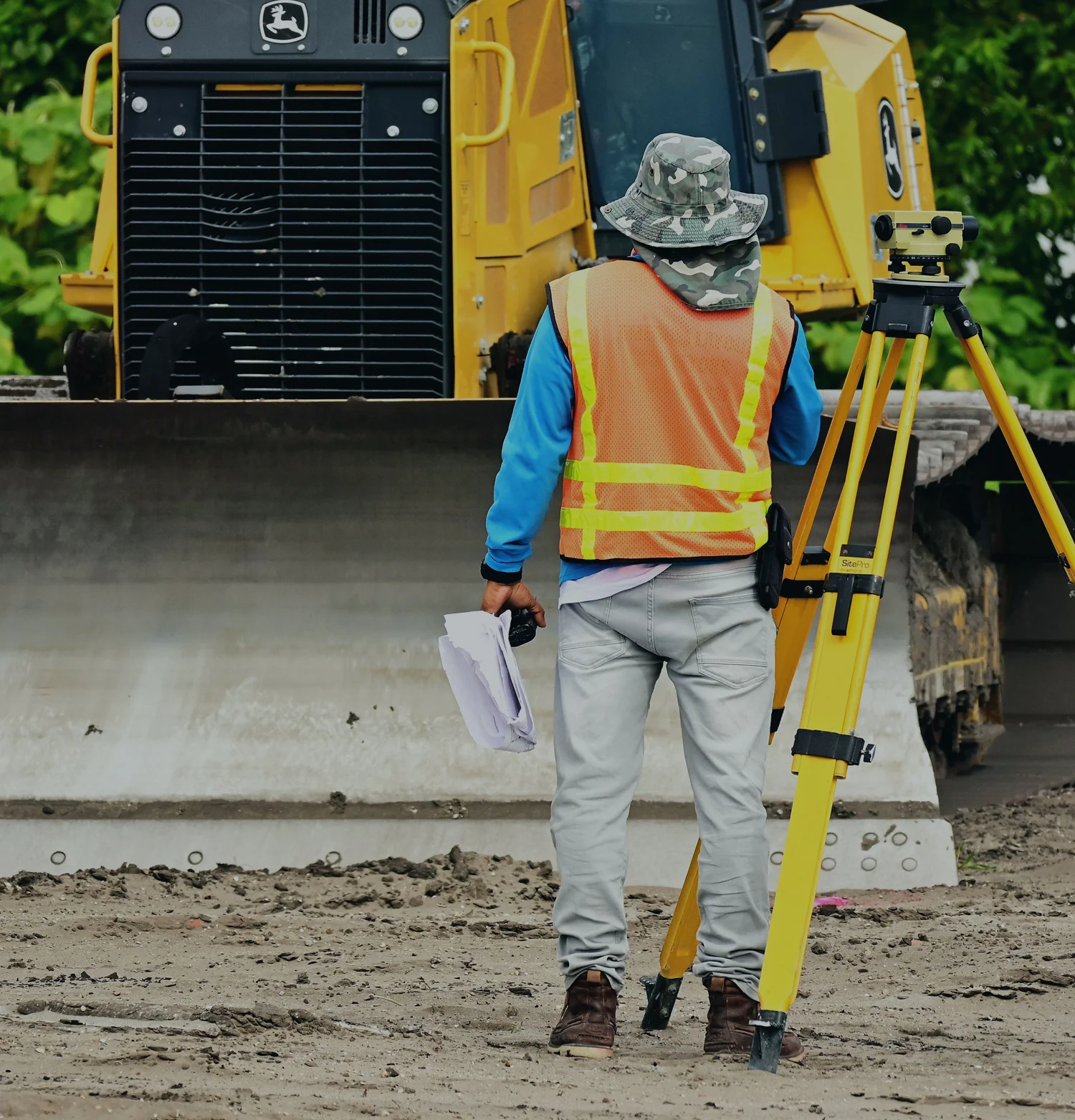
Site Evaluation
Assessments are based on available records, site observations, and, where applicable, sampling.
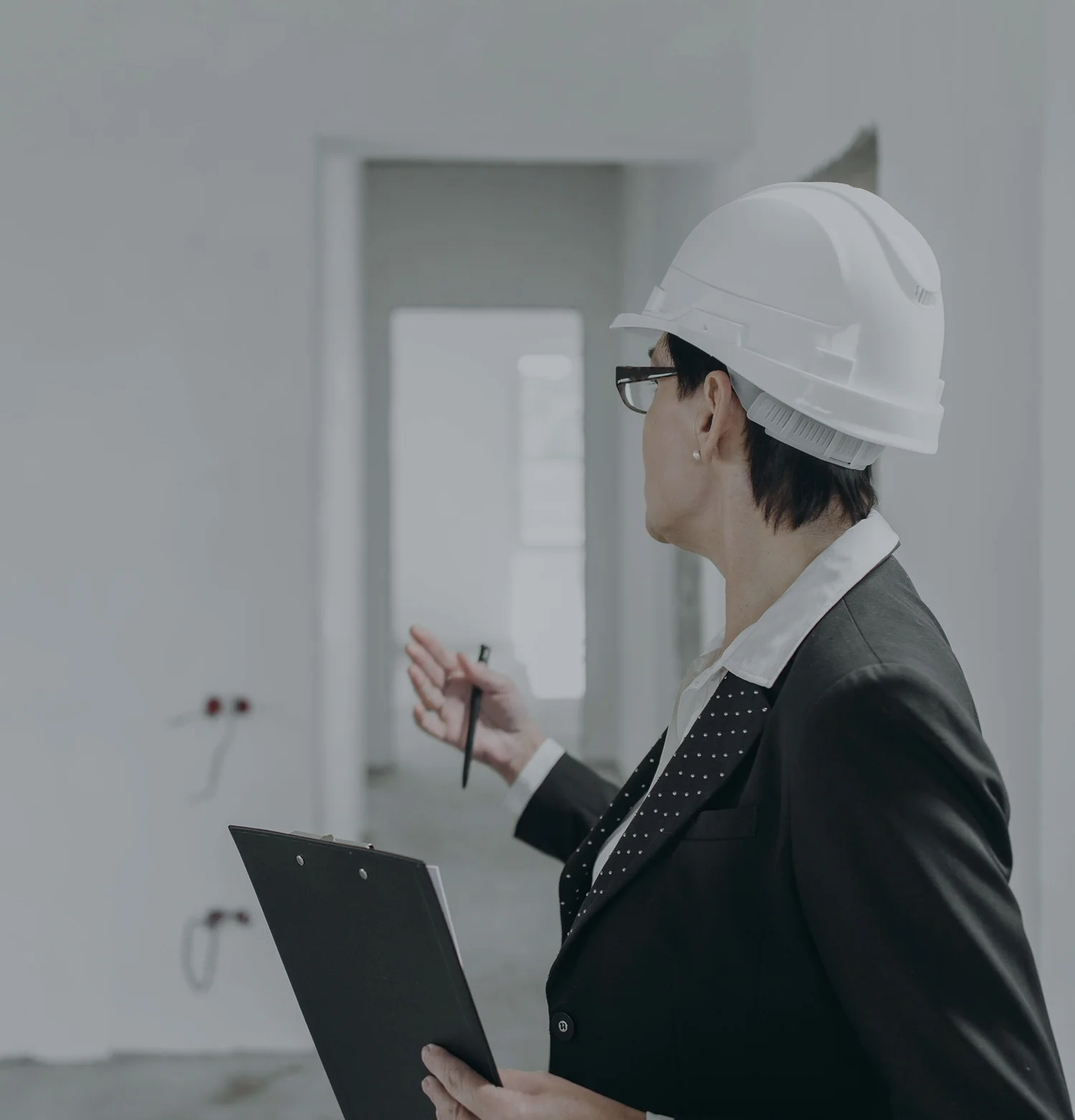
Historical Data Review
Past site use and records inform conclusions about potential conditions.
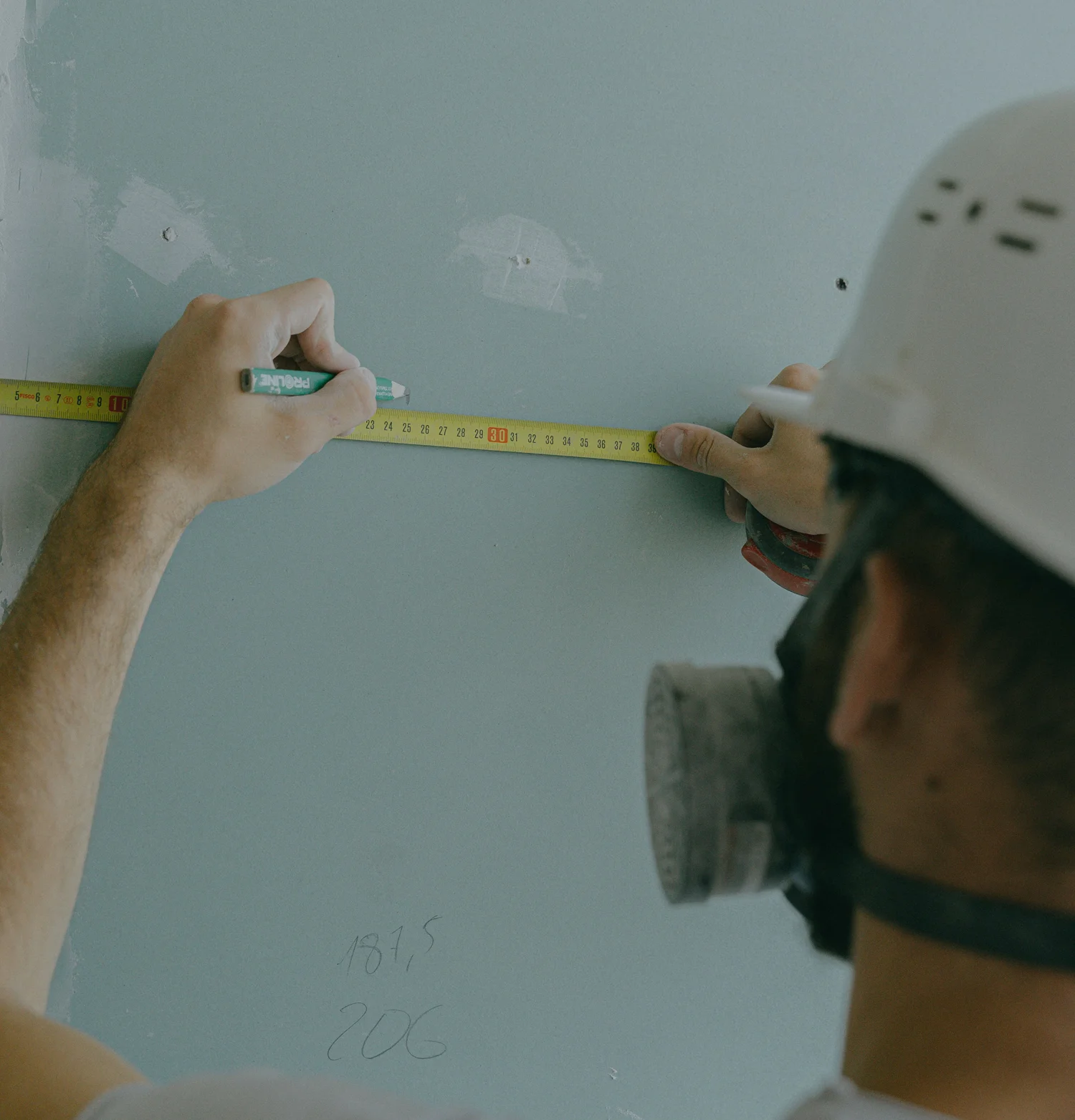
Reporting & Conclusions
Findings are used to support decisions around acquisition, development, or remediation.
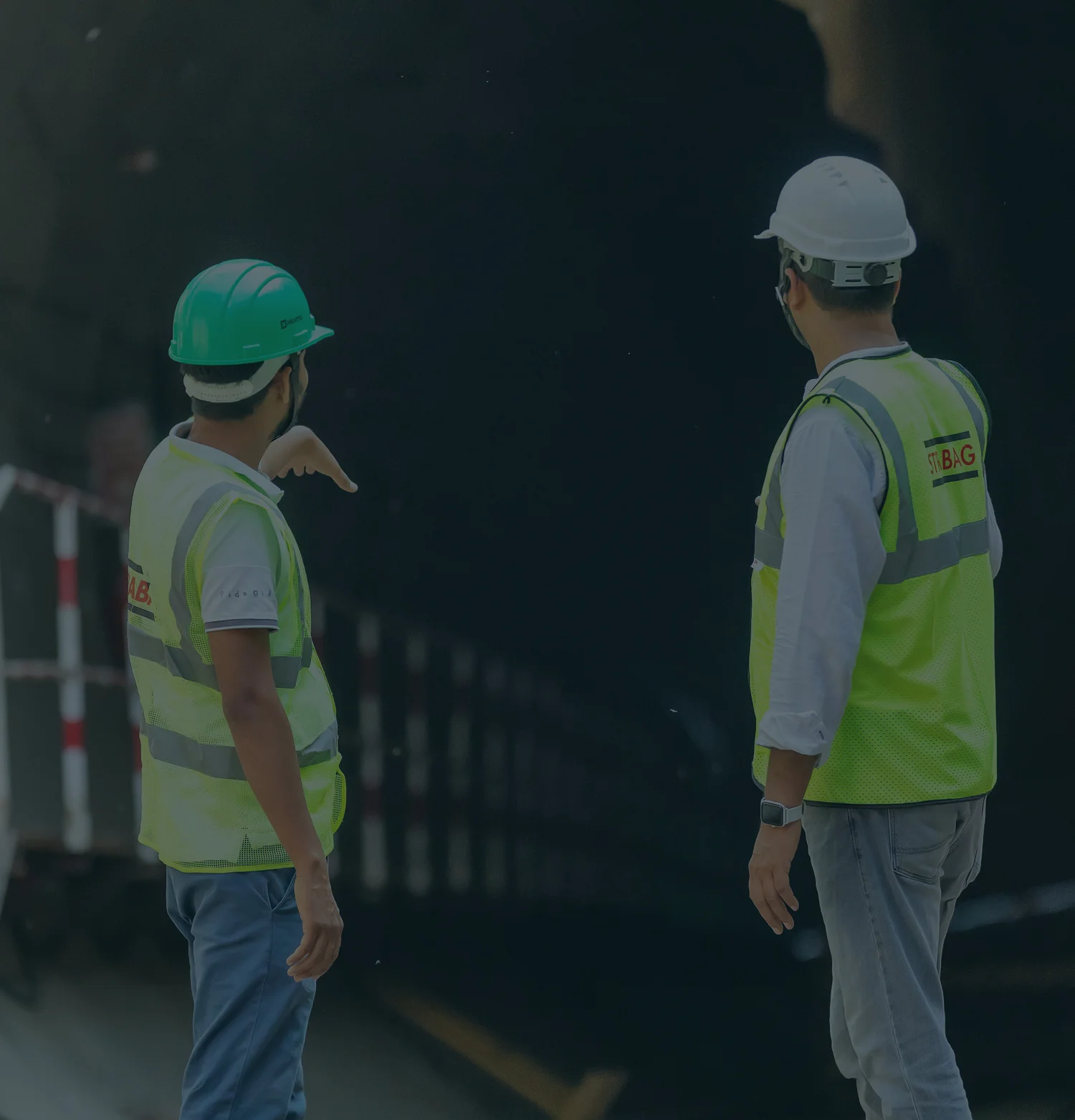
Variable Site Conditions
Conditions may differ across areas of a property or change over time.
What We Place
Coverage Typically Considered for Site Assessment Firms
Coverage is considered based on how your firm operates, the types of projects you take on, and how your contracts are structured. All coverage is subject to the terms, conditions, and limitations of the policy as issued.
General & Property Liability (BOP)
Helps respond when someone claims your business caused bodily injury or property damage.
Commercial Auto
For vehicles owned, leased, or used by the business.
Workers' Compensation
For covered employee injuries tied to work. This can include office injuries, travel-related work injuries, or incidents during job site visits.
Professional Liability
Helps respond when a client alleges your professional services caused a financial loss, project issue, or other damages.
Umbrella Liability
Sits above multiple underlying policies and responds when primary limits are exhausted.
Excess Liability
Extends the limits of a single underlying policy without changing its terms.
Cyber Liability
AEC firms carry more data exposure than most expect. Responds to costs from a covered cyber incident.
Environmental Liability
Helps respond to certain claims involving pollution, contamination, mold, indoor air quality, or environmental conditions.
Worth Reviewing
How Scope and Reliance Are Defined
Agreements define the type of assessment, level of investigation, and scope limitations. These terms influence how findings are interpreted.
Reports may be used by parties beyond the original client. Clarity around intended use and reliance is important before results are applied.
The Process
How We Approach It
From initial conversation to structured recommendation, every step is deliberate.
Step 1
Understand Your Assessments
We review the types of site work you perform, including inspections, records review, and sampling where applicable.
Step 2
Review Existing Coverage
We assess current policies, including limits and exclusions, against how your services are delivered.
Step 3
Align Coverage and Contracts
We consider how your coverage supports how findings are documented and relied upon.
Common Gaps
Where Observations Differ
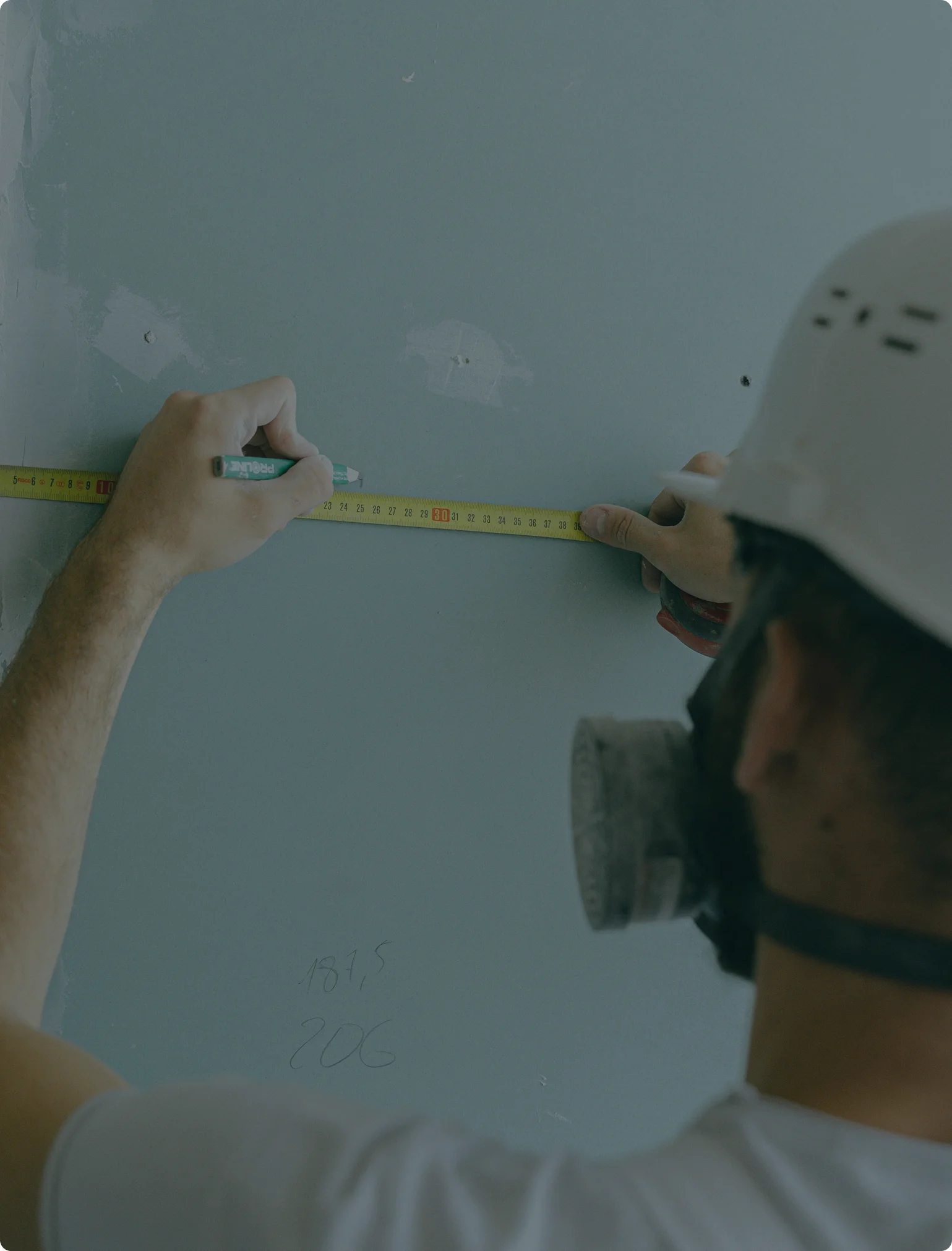
Exposure often develops when conclusions are drawn from limited information. Conditions not visible during inspection, incomplete historical records, or findings treated as definitive rather than conditional.
These situations often come down to how scope and limitations were communicated.
Start the Conversation
Want to See How Your Program Holds Up?
Tell us about your firm and the work you take on.
We'll take a look and share what we find.