
Coverage for Land Surveying Practice
Structured around how surveyors measure and document boundaries and how risk presents across that work.
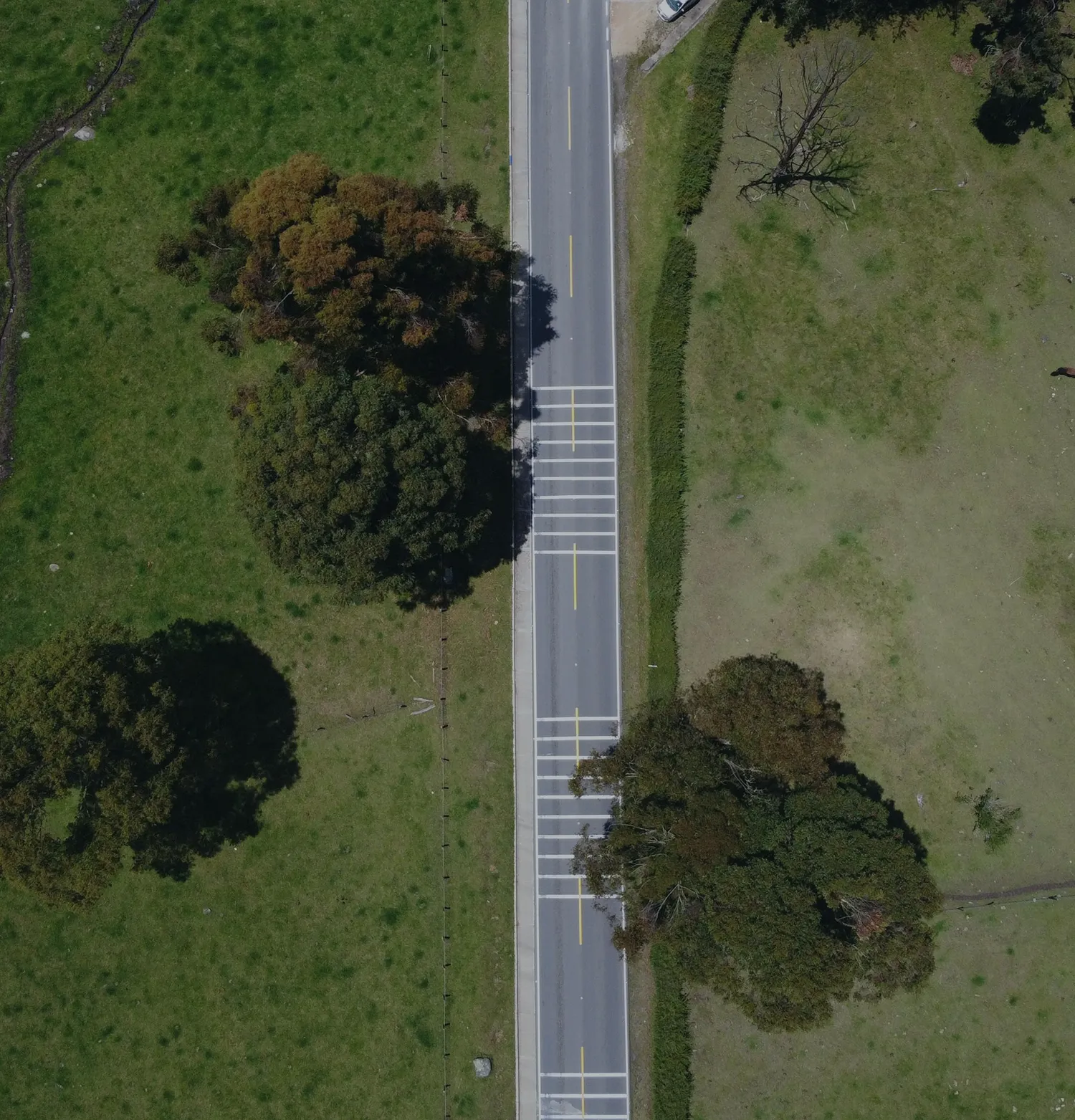
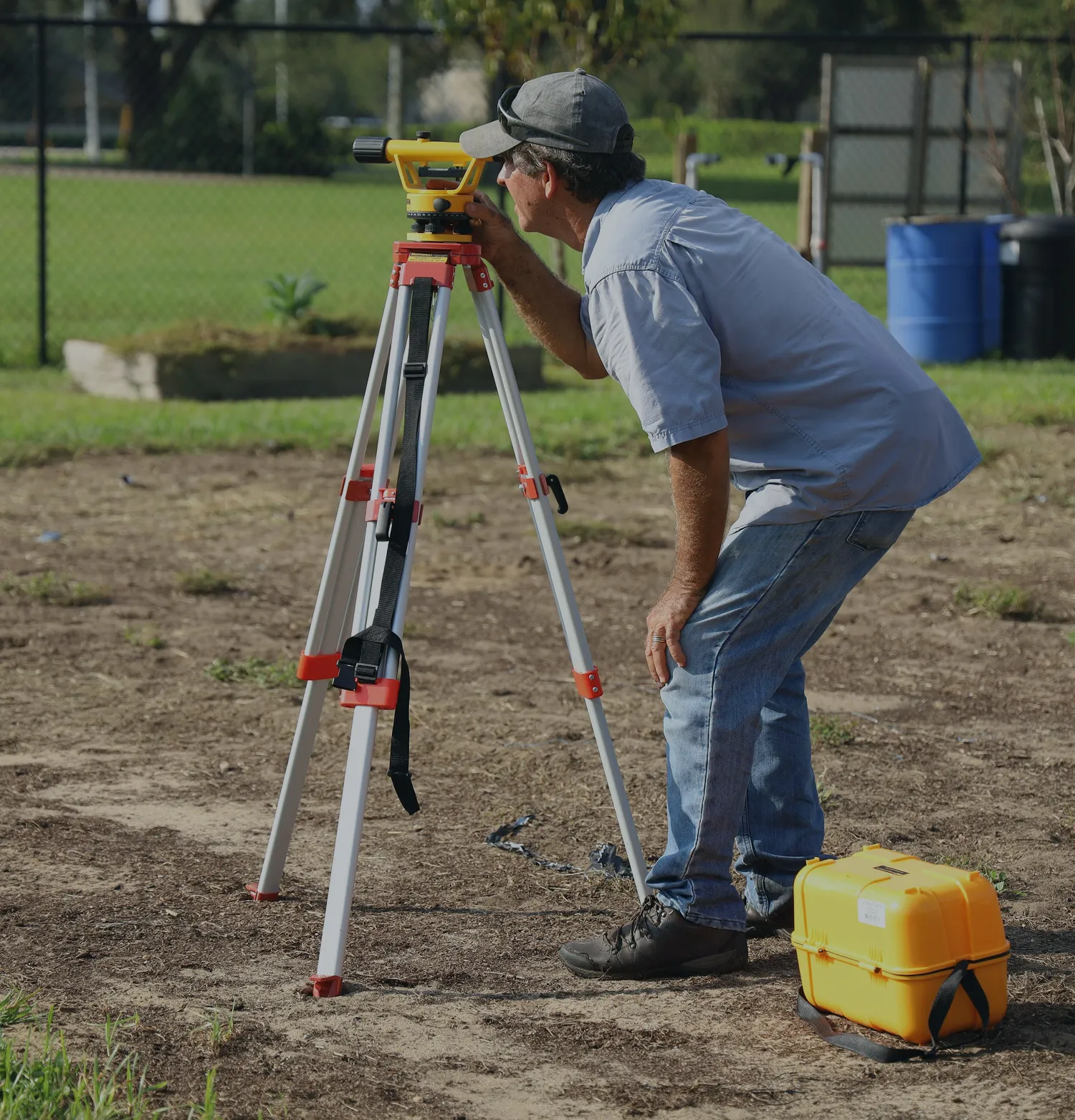
Land surveyors provide measurements and documentation used from the outset of a project. This includes boundary surveys, topographic surveys, construction staking, and as-built documentation.
Exposure is shaped by data accuracy and how that data is used. Boundary disputes, elevation data informing design, survey information relied on for construction or transactions.
Claims may arise well after the work is completed. We review how your services are delivered and relied upon before making any recommendation.


Where Exposure Tends to Arise
How Risk Typically Presents in Land Surveying Work
Boundary Determination
Survey results are used to define property lines. Disputes may arise if boundaries are later challenged.
Data Accuracy & Measurement
Survey data informs design and construction. Errors or discrepancies can affect downstream decisions.
Construction Staking
Surveyors provide layout for construction. Alignment or placement issues may impact project execution.
Long-Term Reliance on Work
Survey documents may be used years after completion. Exposure can extend beyond the original project timeline.
What We Place
Coverage Typically Considered for Land Surveyors
Coverage is considered based on how your firm operates, the types of projects you take on, and how your contracts are structured. All coverage is subject to the terms, conditions, and limitations of the policy as issued.
General & Property Liability (BOP)
Helps respond when someone claims your business caused bodily injury or property damage.
Commercial Auto
For vehicles owned, leased, or used by the business.
Workers' Compensation
For covered employee injuries tied to work. This can include office injuries, travel-related work injuries, or incidents during job site visits.
Umbrella Liability
Sits above multiple underlying policies and responds when primary limits are exhausted.
Excess Liability
Extends the limits of a single underlying policy without changing its terms.
Builders Risk
Responds to physical loss or damage during construction. Standard property policies typically exclude this phase.
Cyber Liability
AEC firms carry more data exposure than most expect. Responds to costs from a covered cyber incident.

Worth Reviewing
How Scope and Deliverables Are Defined
Agreements define survey type, level of detail, and intended use. These terms influence how results are interpreted.
Coordination with engineers, contractors, and other parties is a factor. Insurance requirements should align with how the work is structured.
The Process
How We Approach It
From initial conversation to structured recommendation, every step is deliberate.
Step 1
Understand Your Practice
We review the types of surveys you perform, how services are delivered, and how your team operates in the field.
Step 2
Review Existing Coverage
We look at current policies, including limits, exclusions, and structure, against how your firm operates.
Step 3
Align Coverage and Contracts
We consider how your coverage supports your contractual obligations and how your data is used.

Common Gaps
Where Data and Use Can Diverge
Exposure often develops when data is used beyond its intent. Boundary surveys applied to different purposes, data interpreted without context, reliance on incomplete or outdated information.
Coverage that appears sufficient at a high level may not reflect how the work is used.
Start the Conversation
Want to See How Your Program Holds Up?
Tell us about your firm and the work you take on.
We'll take a look and share what we find.