
Coverage for Specialty Contracting Work
Structured around how specialty contractors perform focused, high-skill work and how risk presents across that scope.
Specialty contractors perform defined scopes of work outside standard trades. This may include waterproofing, demolition, concrete restoration, facade work, and similar services.
Exposure is shaped by how the work is performed and the conditions on site. Projects may involve specialized methods, materials, or existing structures.
Because the scope is concentrated, the impact of that work can be more direct. We review how your operations are structured before making any recommendation.
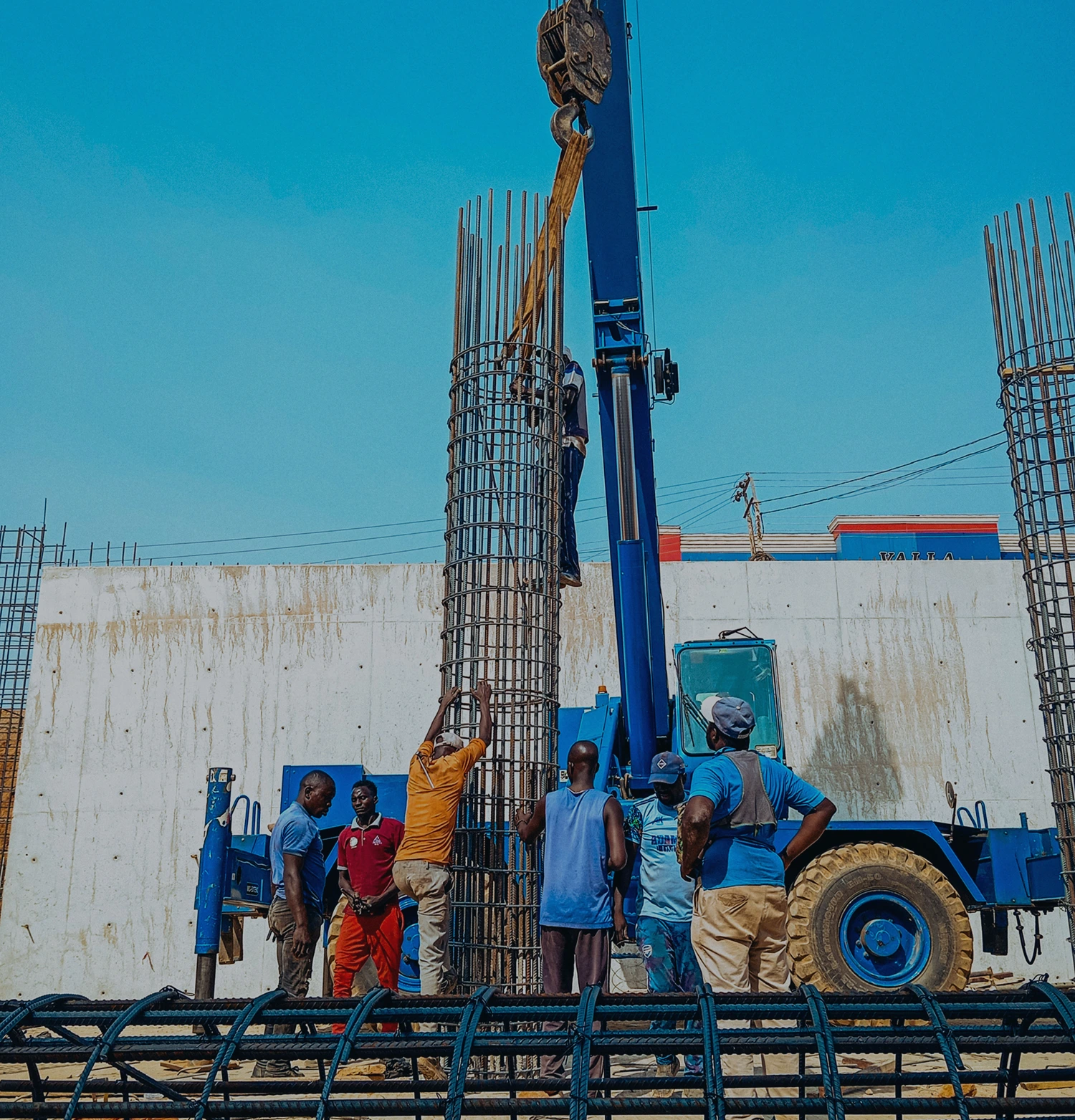

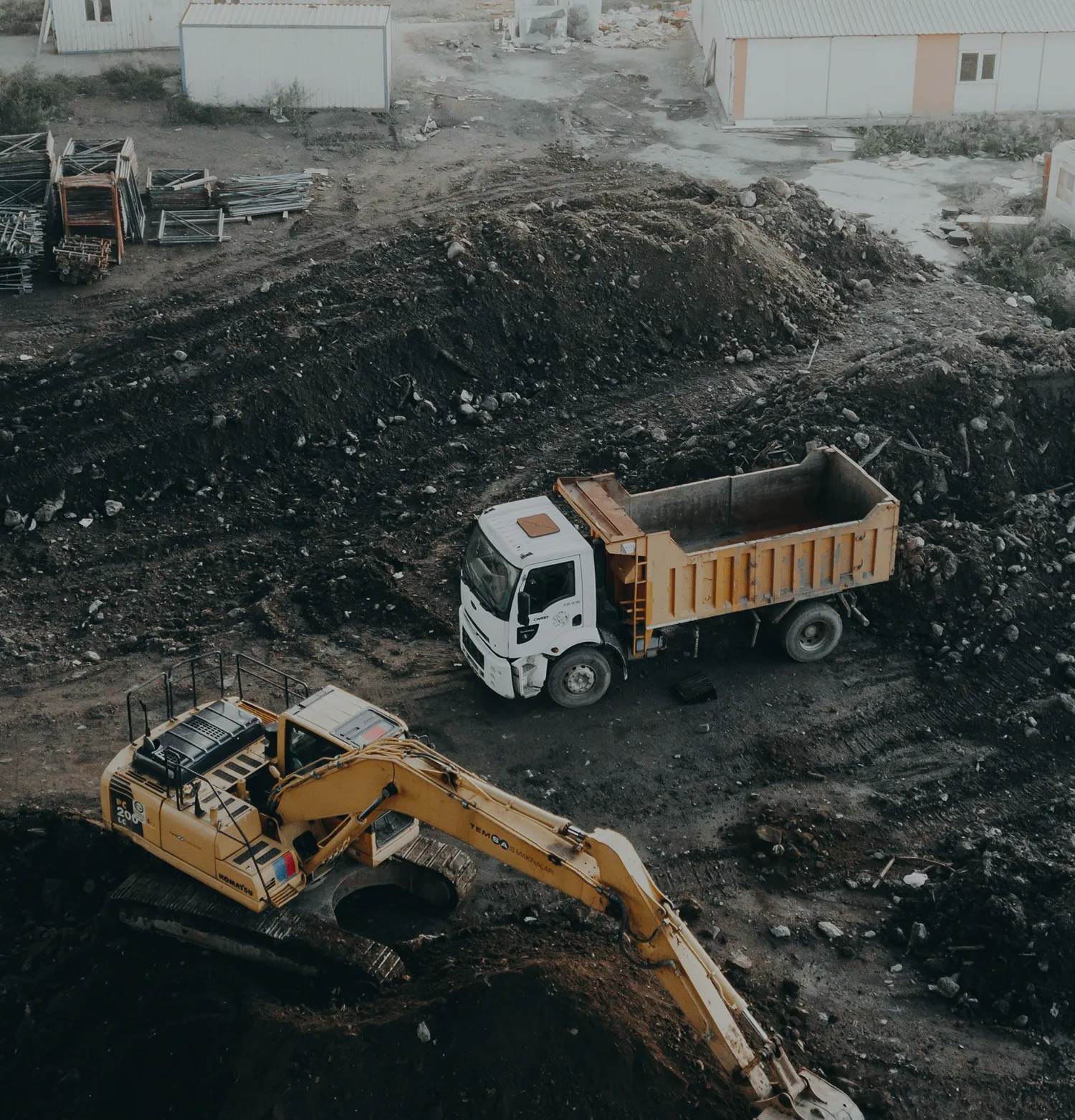
Where Exposure Tends to Arise
How Risk Typically Presents in Specialty Contracting Work
Specialized Scope of Work
Tasks often require specific methods or expertise. Performance depends on how those methods are applied in the field.
Work on Existing Structures
Many specialty contractors operate on renovation or repair projects. Existing conditions can influence how work is performed and the outcomes.
Material & Method Selection
Projects may involve non-standard materials or processes. Differences in application or conditions can affect results.
Site Conditions & Access
Work may occur in constrained or complex environments. Access, sequencing, and coordination can influence risk.
What We Place
Coverage Typically Considered for Trade Contractors
Coverage is considered based on how your firm operates, the types of projects you take on, and how your contracts are structured. All coverage is subject to the terms, conditions, and limitations of the policy as issued.
General & Property Liability (BOP)
Helps respond when someone claims your business caused bodily injury or property damage.
Commercial Auto
For vehicles owned, leased, or used by the business.
Workers' Compensation
For covered employee injuries tied to work. This can include office injuries, travel-related work injuries, or incidents during job site visits.
Umbrella Liability
Sits above multiple underlying policies and responds when primary limits are exhausted.
Excess Liability
Extends the limits of a single underlying policy without changing its terms.
Builders Risk
Responds to physical loss or damage during construction. Standard property policies typically exclude this phase.
Contractors Professional Liability
Helps address professional services exposure for contractors, including standalone consulting, construction management, design coordination, value engineering, and design-build work
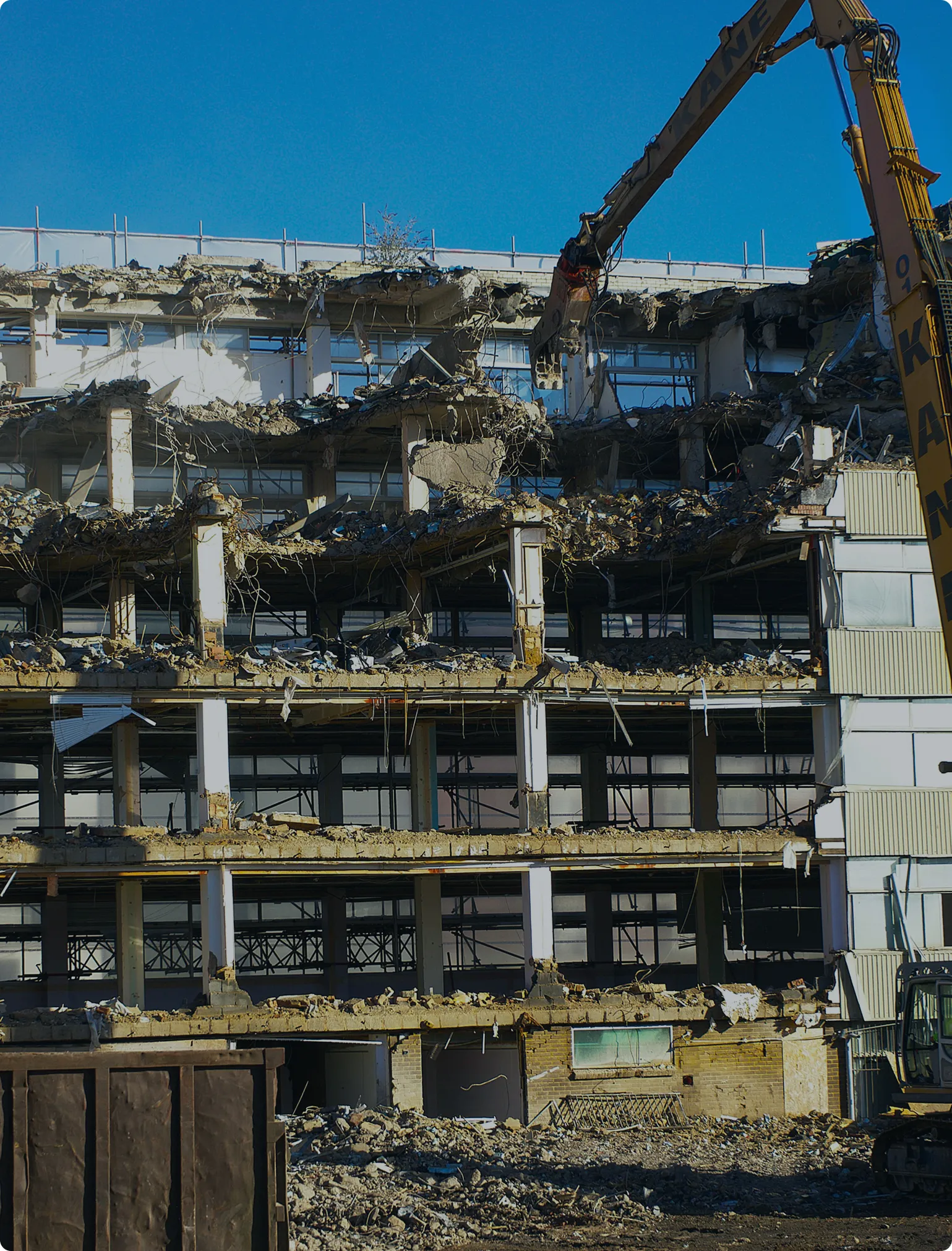
Worth Reviewing
How Scope and Method Are Defined
Contracts for specialty work often define scope, methods, and responsibility in detail. These terms influence how exposure is interpreted, especially when work takes place alongside other trades or within active project conditions.
Insurance requirements such as additional insured status or specific limits are common. These should align with how the work is structured and delivered.
The Process
How We Approach It
From initial conversation to structured recommendation, every step is deliberate.
Step 1
Understand Your Operations
We review your specific scope of work, project types, and how your services are delivered.
Step 2
Review Existing Coverage
We look at current policies, including limits, exclusions, and structure, against how your operations run.
Step 3
Align Coverage and Contracts
We consider how your coverage supports your contractual obligations and project scope.
Common Gaps
Where Scope and Conditions Interact
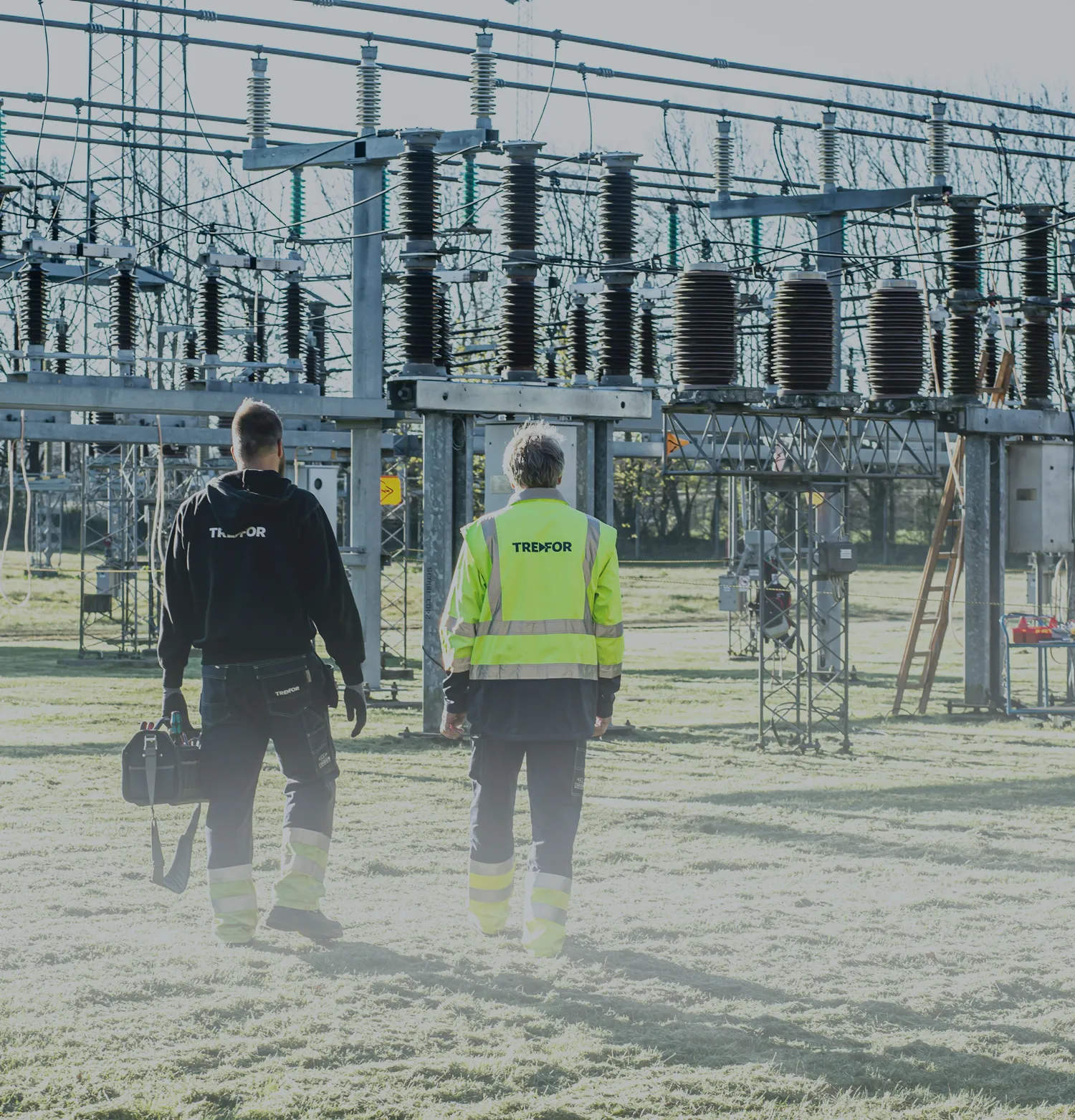
Challenges often arise where defined scope meets site conditions. Existing structures that differ from initial assumptions, methods that adjust during execution, coordination that affects sequencing or access.
Coverage that appears sufficient at a high level may not reflect these details.
Start the Conversation
Want to See How Your Program Holds Up?
Tell us about your firm and the work you take on.
We'll take a look and share what we find.